Kids DJ Classes in Ho Chi Minh City: A Parent’s Guide
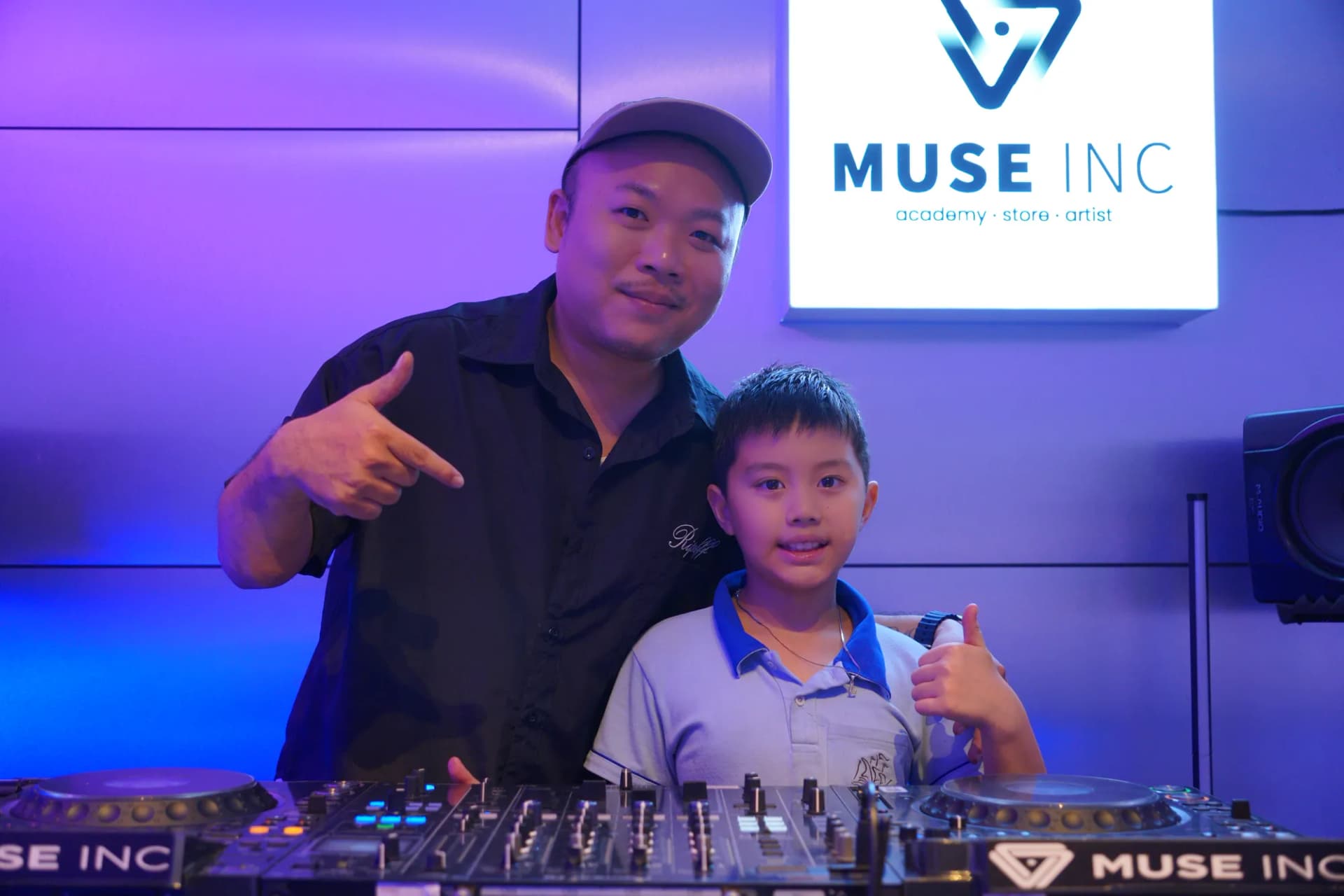
Kids DJ classes in Ho Chi Minh City can give children a way to explore music through listening, choosing tracks and trying real equipment. The right starting point depends on your child’s interest, the teacher’s approach and a schedule your family can manage. This guide explains what to look for, what beginners practise and how to prepare for a first lesson at Muse Inc.
Is your child ready to try DJing?
Start with curiosity. Does your child replay favourite songs, tap along to a beat or ask how a DJ changes tracks? Ask what they would like to try. Their answer gives you a better starting point than deciding they need a particular talent or future career.
A child does not need to arrive with a polished performance. A first experience can simply involve listening, watching a demonstration and trying a control. Notice whether they want another turn, ask questions or enjoy hearing what happens when they make a change.
Also consider the rest of their week. School, travel, homework and rest all need space. If reaching the studio would make every lesson rushed, discuss another time before committing. An activity is easier to maintain when the practical arrangements work for everyone.
What do children learn in beginner DJ lessons?
DJing involves selecting recorded music and connecting tracks into a sequence. Early learning can move from recognising what is happening in a song to making small, deliberate changes with the equipment.
Listening to rhythm and song structure
A teacher might begin by counting beats together or asking a child to notice when an introduction changes into another section. The aim is to connect what they hear with something they can describe. Familiar tracks can make the discussion concrete: where does the music become busier, and where does it settle down?
Understanding the controls
A DJ controller connects to software and provides physical controls for playing and mixing tracks. Beginners can explore functions before combining them. Starting a track, stopping it and adjusting its level are useful places to begin.
Beatmatching means aligning the tempo and beats of two tracks. Mixing involves managing the transition between them. Children do not need to memorise every term immediately; being able to explain what a control changed is a practical early goal.
Choosing tracks and listening back
A possible exercise is to choose two songs, try a transition and listen to a recording of the attempt. Ask what sounded smooth or sudden, then try one adjustment. The point is to make a musical choice, hear its effect and decide what to try next.
How to choose a DJ class for your child
Watch how the teacher explains a task
Ask how a difficult action will be broken into smaller steps. During a trial, look for clear demonstrations followed by time for your child to try. When something goes wrong, does the explanation identify what to change?
For example, “let’s find the first beat again” gives a learner a next step. A broad judgement about having or lacking talent does not explain the task. You are looking for teaching your child can follow, with room to ask questions and repeat unfamiliar actions.
Discuss pace and feedback
Private lessons allow direct interaction, but ask how the teacher adjusts explanations for different ages and experience. Muse Inc’s guide to private DJ lessons explains the general format.
Agree on how you will hear about progress. A useful update might identify what your child explored, what still needs practice and what comes next. This is more informative than a general comment that the lesson went well.
Agree on a first learning goal
Before enrolling, ask what a manageable first goal could look like for your child. It might involve finding a beat, recognising the play control or explaining why two songs were chosen. Choose something small enough to explore without rushing ahead. The teacher can help select a task after meeting your child.
You can then ask three practical questions: what will the child try, what help will the teacher provide, and how will you know when to move on? Agreeing on that approach gives everyone something specific to discuss after class. It also leaves space to change the plan if an activity is too unfamiliar, too demanding or no longer interesting. Review the goal together before adding another challenge. Keep that conversation separate from school grades.
Clarify practical arrangements
Before enrolling, ask about music selection, lyrics, listening levels, breaks and parent observation. Confirm arrival and collection arrangements, including who to contact if you are delayed. Discuss photography and recording separately: participation in a class should not leave your family guessing how images might be used.
What does Muse Inc offer young beginners?
Muse Inc’s Kids DJ Course is listed for ages 6–14, with a private lesson option and school controllers available for studio learning. You do not need to buy a controller before starting at the studio.
The published course programme outlines controller and software introductions, rhythm, song structure, transitions and recording. Treat this as a starting point for discussing your child’s lessons. Ask the school to confirm the current programme, session arrangements and how the material will be introduced to your child.
For an English-speaking family, confirm the teaching language when enquiring. Explain how comfortable your child is with spoken instructions and whether they are new to learning in English. If you are visiting Saigon, share your stay dates before making plans around a course. Availability and a suitable learning schedule need confirmation.
Preparing for the first lesson
Choose a few favourite songs together and ask why your child likes them. You can share a list with the teacher after checking how they would like to receive it. There is no need to buy software, download unfamiliar files or prepare a music library without guidance.
Tell your child the first visit is a chance to explore. They can watch, ask questions and take time to understand a control. Avoid setting a target of completing a mix immediately. That expectation can turn an introduction into a performance test before the teacher has assessed where to begin.
Afterwards, ask which part they enjoyed and which part felt confusing. Give them room to say they are unsure. The decision to continue should include their response to the activity, alongside your observations and the teacher’s feedback.
Planning costs and supporting practice at home
When comparing fees, ask what the quoted option includes: teaching, practice access, equipment use and any assessment. Muse Inc’s DJ lesson prices guide provides broader context; confirm the children’s option directly before paying. Fees are listed in Vietnamese dong, abbreviated VND. Ask for the applicable total rather than relying on an old article or a general promotion.
Include travel and supervision in your planning. Ask about missed lessons, rescheduling and pausing a course, and request the relevant conditions in writing. For families travelling internationally, confirm local appointment times in Ho Chi Minh City, which uses UTC+7.
At home, listening together can be a starting activity while you discuss practice requirements with the teacher. Let your child describe something they noticed in a song or explain a control they tried. You can ask what they would like to explore next without creating another homework timetable.
If a controller purchase becomes useful later, discuss software compatibility, space and the intended practice routine first. Record specific observations, such as remembering a control or explaining a transition, instead of comparing your child with polished DJ videos online.
Frequently asked questions
Muse Inc lists its Kids DJ Course for children aged 6–14. Age is one consideration; parents should also discuss the child’s interest and experience of following guided activities. If your child falls outside the published age range, ask the school to confirm an appropriate option before booking or purchasing a course.
Tell the school if your child has never studied music, so the teacher can confirm a suitable starting point. The published course programme includes equipment introductions, rhythm and song structure. A trial gives your family an opportunity to see how your child responds to explanations before deciding whether to continue.
No controller purchase is required to begin studio learning: Muse Inc’s course page states that students use the school’s controllers. If you later want a home setup, discuss compatible equipment and software with the teacher. Base that decision on an agreed practice plan and your child’s continuing interest in learning.
Start with a trial and a conversation
If you are exploring kids DJ classes in Ho Chi Minh City, book a free trial lesson with Muse Inc and discuss your child’s age, musical interests, preferred teaching language and available dates. Use the first experience to ask practical questions and hear your child’s response. Together, you can decide whether regular lessons are the right next step.