Where to Learn DJing in Ho Chi Minh City (Saigon)
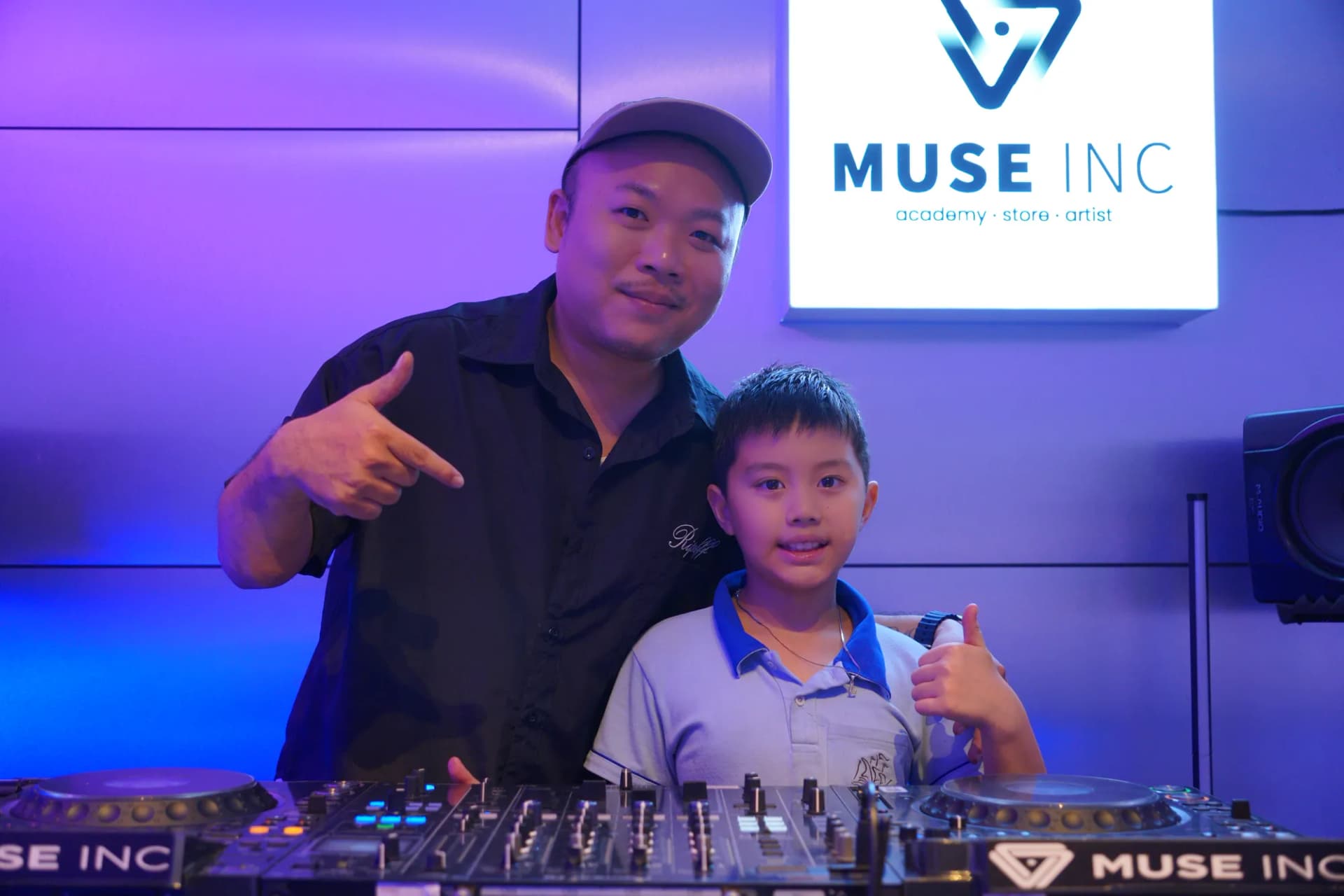
If you are deciding where to learn DJing in Ho Chi Minh City, start with a school you can visit, a programme you can understand, and time you can realistically set aside for practice. Muse Inc offers DJ training in Saigon, Vietnam, with lessons available in English or Vietnamese. Its studio entrance is at the rear of 409 Hai Ba Trung Street, Xuan Hoa Ward, Ho Chi Minh City.
Choosing a place to study involves more than finding impressive equipment. You need to know who will guide you, what you will practise, and how your progress will be assessed. This guide explains how to plan a visit and compare the learning paths at Muse Inc before committing to a course.
Find a learning routine you can maintain
Start with your calendar. If you live in the city, identify regular windows for lessons and separate time for practice. If you are visiting, tell the school your arrival and departure dates before discussing a programme. Avoid assuming that every course can be compressed into the length of your stay; ask what is realistic for your experience and availability.
The Muse Inc contact page provides the location and directions. Use the rear entrance at 409 Hai Ba Trung Street rather than expecting the classroom entrance to face the main road. Opening hours are 9:00–21:00 daily. These hours describe when the school is open; confirm the actual availability of an instructor and your preferred lesson format before travelling.
If you are arranging lessons from abroad, use Ho Chi Minh City time, UTC+7, when discussing appointments. State your preferred teaching language and the music you enjoy. A clear enquiry makes it easier to discuss a useful starting point, especially if you already mix at home and need help identifying gaps rather than beginning every topic again.
What professional DJ training should help you do
A useful learning path connects technique with musical decisions. Beatmatching means aligning the timing of two tracks. EQ means adjusting frequency ranges so that sounds work together. Understanding those actions matters, but you also need to decide when to change tracks, how to manage vocals, and how a sequence feels from beginning to end.
Set a practical goal before comparing courses. You might want to record a coherent set, become comfortable moving from a controller to CDJs, or improve transitions within a particular style. Bring that goal to the discussion. It gives you and the instructor something more specific to assess than a general wish to become professional quickly.
Also ask how mistakes are corrected. When a transition sounds wrong, can the instructor explain the cause, demonstrate a solution, and let you try again? You should leave with an exercise you understand. Learning becomes easier to manage when feedback identifies an action, such as changing the entry point, rather than simply describing a mix as good or bad.
Compare the learning paths at Muse Inc
The current Muse Inc DJ course catalogue lists Basic DJ, Intermediate DJ and Advanced DJ, alongside the Comprehensive DJ Course covering Levels 1–3. Read the individual programme before choosing a level. Previous experience can be uneven: someone may select music confidently while still needing help with timing, sound levels or unfamiliar equipment.
Learning path
Main focus in the catalogue
Basic DJ
Controller skills, beatmatching, EQ and a first short set
Intermediate DJ
CDJs, turntables, transitions and the flow of a set
Advanced DJ
Scratching, vinyl techniques, performance and career skills
Comprehensive DJ Course
Levels 1–3 within one continuous programme
The Comprehensive DJ Course includes foundations, mixing, scratching, performance preparation and career orientation. Its published programme also includes studio practice with a teaching assistant and a graduation set at Markshow. If that continuous path interests you, ask how lessons and practice will fit your calendar before selecting a format. A graduation performance is a learning milestone, not a guarantee of paid bookings.
Muse Inc also lists genre programmes including Techno, Urban and EDM. Bring examples of the music you want to play and ask which prerequisites apply. A genre label tells you the musical direction, but the lesson sequence and expected starting skills tell you whether the course fits. You do not need to choose the longest programme simply because you are serious about improving.
Choose a format around feedback and practice
Private, group and online options are available depending on the course. For private lessons, ask who will teach you and how the content responds to your existing skills. For group lessons, check the timetable, class size and how equipment time is shared. The useful comparison is how each arrangement supports the work you need to do between lessons.
Online learning also needs a practical equipment discussion. Confirm the computer, controller and other requirements before registering. In the studio, you learn using the school's equipment; do not assume that the same setup applies at home. If you are unsure whether private teaching suits your goals, the guide to private DJ lessons in Saigon explains what to consider.
Make your trial lesson a useful assessment
A trial is an opportunity to experience the teaching, not just inspect the room. Bring a short description of your experience and some music you enjoy. If you already record mixes, identify a passage you cannot improve on your own. An example gives the conversation a clear starting point and helps you explain the kind of feedback you need.
During the lesson, notice whether you can follow the explanation and repeat the task independently. Afterwards, ask which starting level is recommended and why. You should understand what needs attention first, which equipment your chosen course uses, and how practice is organised. If a detail remains unclear, write it down and ask before enrolling rather than filling the gap with an assumption.
Plan your budget and independent practice
Compare the current price for the exact programme and format you are considering. Ask what tuition includes, how studio practice works, and which conditions apply to changing or missing a lesson. Keep your budget in Vietnamese dong when comparing options. Avoid building a plan around an old blog price or an exchange rate that may no longer match your payment date.
For practice, work on a defined problem and record the result. Listen back, mark the point where the problem appears, and repeat that section before changing several other things. Keep recordings by date so you can compare the same skill over time. The beginner DJ learning guide offers a starting framework if you need help organising the basics.
Prepare for your first lessons
Create a small listening list before the course starts. Choose tracks you know well and note what attracts you: the rhythm, the vocal, the change in energy or the way the arrangement develops. Bring those observations to the lesson. They give you a practical starting vocabulary for discussing musical choices without needing to memorise technical language in advance.
Keep a simple learning note with three entries after each class: what you practised, what remains difficult and what you will try next. If a demonstration was clear in the room but confusing later, describe the precise step you lost. That question is easier to answer than a broad request to explain the entire lesson again.
Before a practice session, check what you need to bring and which equipment you have booked. Leave time afterwards to listen to the recording rather than judging everything while you perform. Ask the instructor how to share a short example for feedback, and use the agreed method.
Frequently asked questions
Yes. Muse Inc's course catalogue states that teaching is available in English or Vietnamese. Mention your preferred language when arranging a trial and confirm availability for your chosen course and dates. If you are visiting Ho Chi Minh City, share your travel window so you can discuss a realistic schedule before enrolling.
You use the school's equipment when learning in the studio. For online lessons, confirm the requirements before registering; the published course information describes a laptop and controller setup. Taking a trial before buying equipment can help you understand what supports your goals, available space and practice routine, rather than choosing hardware from photographs alone.
No course can guarantee that you will receive paid bookings. Readiness depends on your skills, preparation and the needs of a particular event or venue. Ask for feedback on a complete recorded set and the situations you still find difficult. Use that feedback to plan further practice and discuss realistic next steps with your instructor.
Visit the school before choosing your next step
When deciding where to learn DJing in Ho Chi Minh City, look for a programme and routine you can sustain. Book a free trial lesson at Muse Inc, explain your goals and experience, and use the visit to understand how the training would work for you. A clear starting point makes the decision easier.