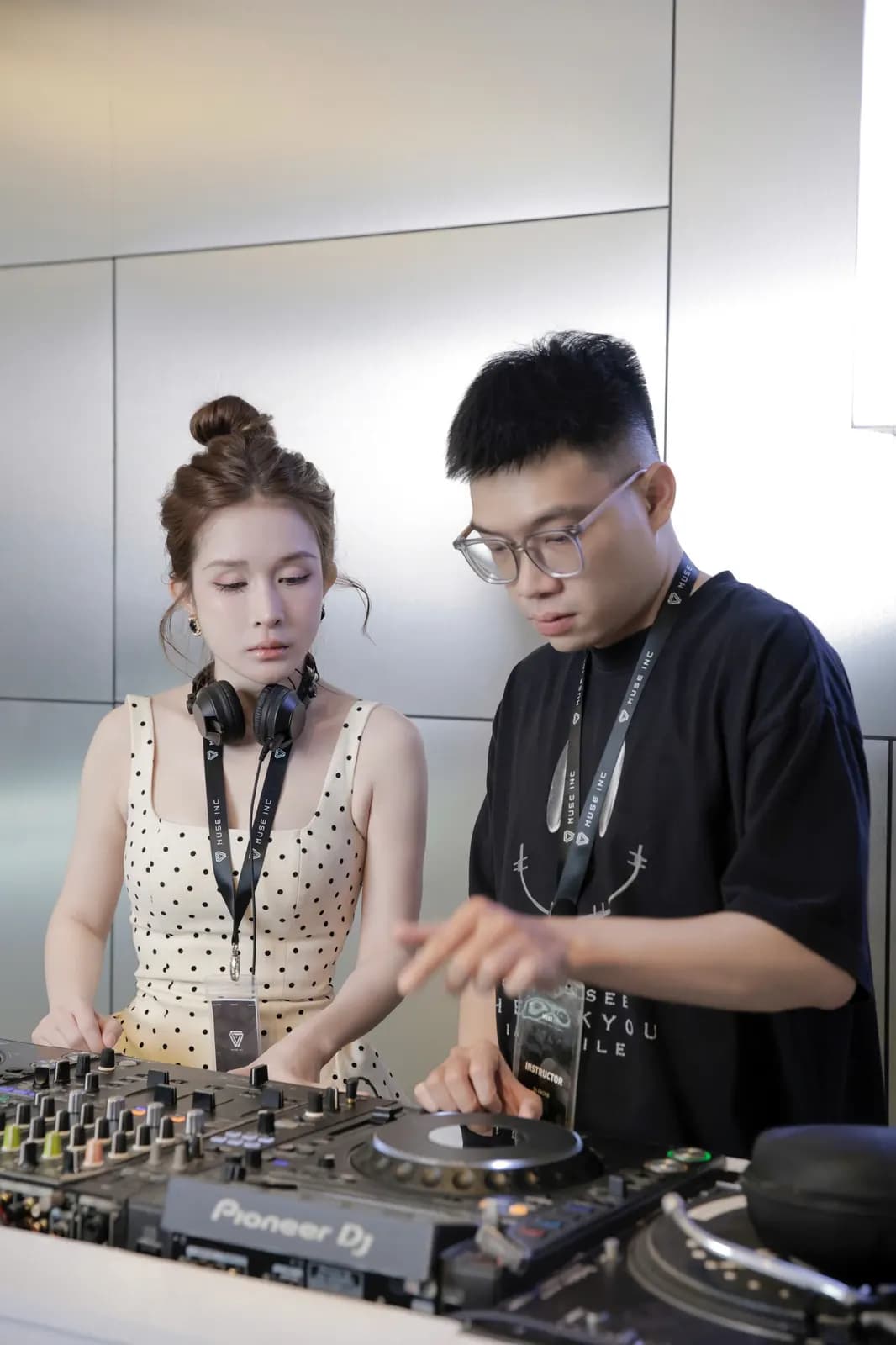
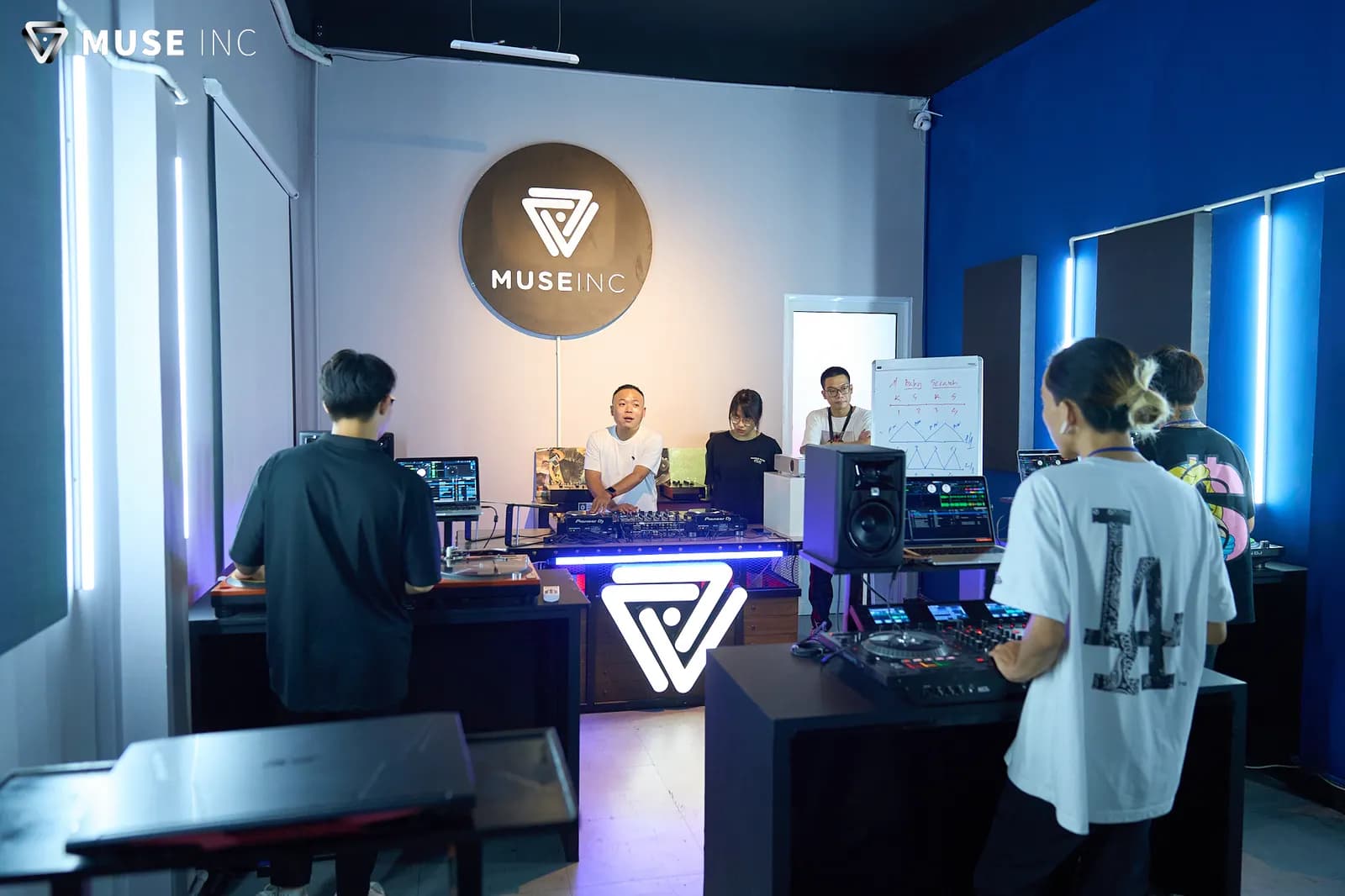
Should Women Learn to DJ? Getting Started in Saigon
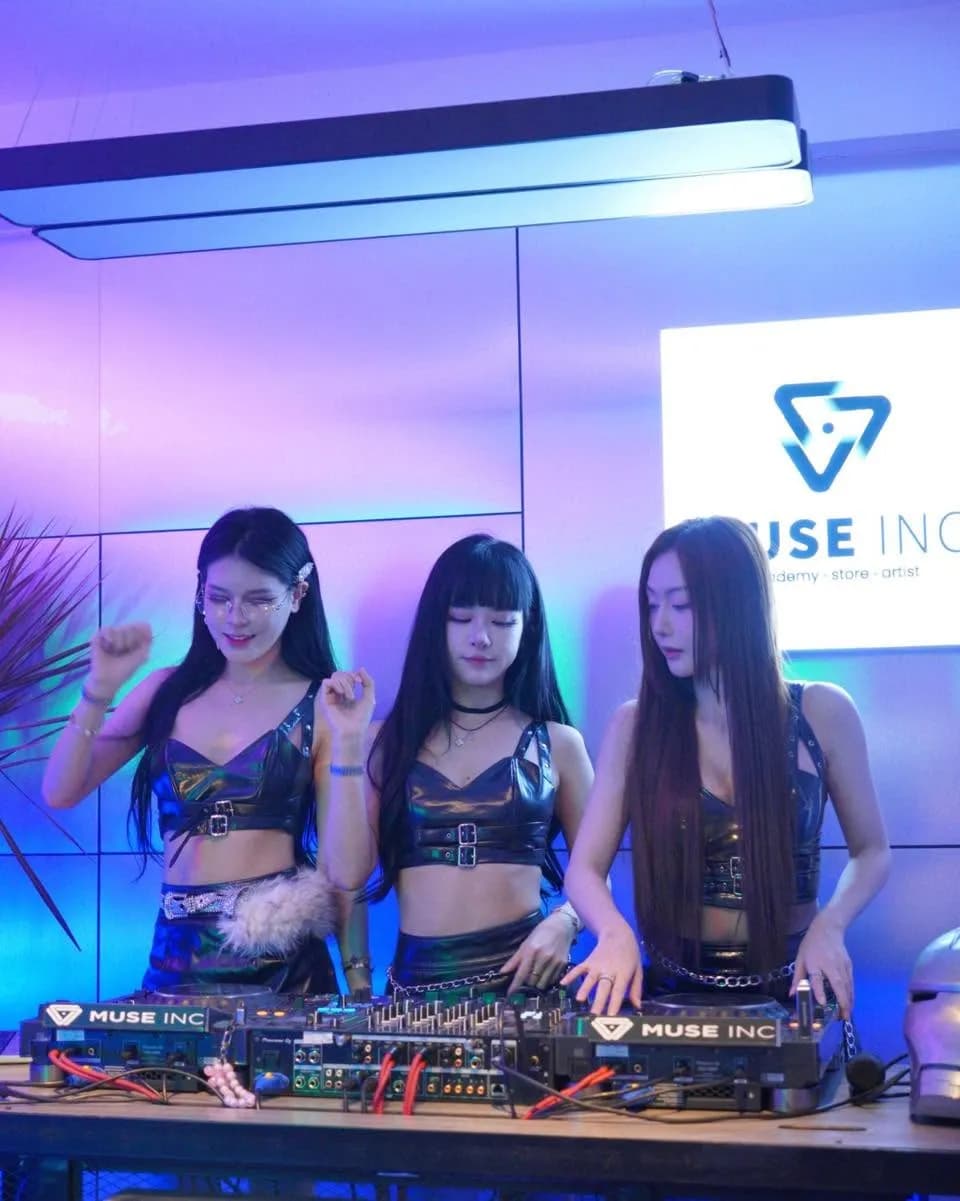
Should women learn to DJ? Yes, if you enjoy music, want to explore mixing and are willing to practise. Gender does not determine your ability to select tracks or create a thoughtful set. Your interests, available time and preferred working environment are more useful starting points.
If you live in or are visiting Ho Chi Minh City (Saigon), Vietnam, you can explore DJ lessons in English at Muse Inc. Learning can be a creative hobby, a way to understand music more deeply or the beginning of professional training. You do not need to decide your entire future before trying the equipment.
Is DJing a good fit for you?
A DJ chooses music, connects tracks and responds to the atmosphere in the room. Behind a performance are less visible tasks: organising music, rehearsing transitions, checking equipment and listening critically to recordings.
Ask yourself whether those tasks interest you. Do you enjoy discovering how a track develops? Would you happily repeat a transition to understand why it sounds awkward? Are you curious about the relationship between two songs, beyond whether each sounds good individually?
You do not need confident answers immediately. A first lesson gives you something concrete to assess. Notice whether you enjoy concentrating on sound and making small improvements. That experience tells you more about your interest than comparing yourself with an established artist on social media.
Before committing to a course, look at an ordinary week in your calendar. Where would lessons and independent practice fit? Include travel and time to prepare music. If your schedule is crowded, discuss a realistic pace with the school. A plan you can repeat is more useful than an ambitious timetable that leaves no room to listen, experiment or rest.
Appearance and personal style
You do not need a particular body type, wardrobe or stage persona to begin learning. Choose clothing that lets you move comfortably and operate the equipment. Your presentation can develop alongside your musical taste, with boundaries that feel right for you.
Separate your visual presentation from your musical progress. When reviewing a recording, ask whether the beats stay aligned, the volume feels consistent and the next track arrives at a sensible moment. These are specific things you can practise.
If you eventually perform, consider the event and audience when choosing your presentation. Discuss expectations beforehand rather than feeling obliged to copy someone else's image. You can build a recognisable style through track selection, musical direction and the way you structure a set.
Choose working conditions that suit you
Learning to DJ does not commit you to accepting every booking. Before pursuing performances, think about the hours, travel and environments you are comfortable with. You might initially prefer recording mixes at home or playing for small gatherings.
For any proposed performance, ask about the set length, equipment, soundcheck, finishing time and person responsible on site. Plan your journey home and clarify anything that seems uncertain. These are useful professional habits for every DJ.
Set your boundaries before you feel pressured to make a quick decision. You can decline requests or situations that make you uncomfortable. When comparing opportunities, consider whether you can prepare properly and whether the musical brief matches your current ability.
Ask for a clear musical brief, too. What mood does the organiser want, and are there tracks or styles to include or avoid? Explain what you can currently deliver. If you have only rehearsed one genre, say so. Honest communication gives both sides a chance to decide whether the performance is a sensible match before either makes a commitment.
Build skills before planning an income
Treat learning and earning as separate decisions. An enjoyable first lesson can justify further practice; it does not establish that performing will cover your living costs. Avoid using a famous artist's fees as the basis for your own financial plan.
Start with manageable goals: prepare a coherent selection of tracks, record a short mix and learn to explain your musical direction. If you already work or study, consider learning alongside your existing commitments while you assess your interest.
Keep a simple budget for tuition, practice, transport and any equipment you genuinely need. Review it before making a larger commitment. For a broader look at professional expectations, read Muse Inc's guide to DJ work and getting started in Saigon.
What should you learn first?
Begin with listening and track selection. Identify where a song introduces new elements, brings in vocals or changes its energy. Understanding those changes helps you choose a sensible place to introduce another track.
Next comes beatmatching: aligning the tempo and beats of two tracks. Practise listening through headphones while making controlled adjustments. Learn what each change does rather than moving several controls and hoping the result improves.
EQ, or equalisation, lets you adjust frequency ranges such as bass, midrange and treble. During a transition, listen to how the tracks overlap. If the result becomes crowded, identify the cause before reaching for another effect.
For example, two vocal sections may compete when played together. Try a different entry point, record the transition again and compare both versions. This turns a vague impression into a specific listening exercise.
Give each practice session one main objective. Work on timing, track selection or volume control, then record a short attempt. Write down one thing to improve next time. Progress becomes easier to follow when you can hear what changed. Keep earlier recordings so you can compare progress over several sessions.
Talk through your plans with family or friends
If people close to you have concerns, explain what you actually intend to do. Taking an introductory course is a different decision from leaving a job or committing to regular late performances. Describe your available time, spending limit and immediate goal.
Invite them to look at the programme or visit the school with you. A conversation about lesson content and practice arrangements can be more productive than debating stereotypes about nightlife.
Choose a review point after your initial learning period. Ask whether you have practised consistently, enjoyed the process and fitted it around your responsibilities. You do not need to promise fame or immediate earnings to justify exploring a creative interest.
Starting DJ lessons in English at Muse Inc
Muse Inc offers DJ lessons in English and Vietnamese. If you prefer English, mention that when arranging your trial and confirm the teaching language for your chosen course. International learners can also read the guide to learning to DJ in Vietnam for practical context.
The Level 1 — Basic DJ course introduces equipment, beatmatching and basic mixing. Tell the school whether you are starting from zero or have already tried mixing, so the discussion begins with your actual experience.
Ask how feedback works, what to practise between lessons and which learning format suits your schedule. Muse Inc lists private, group and online options. Online learners need a laptop and controller; confirm the practical requirements before choosing that format.
Bring a few tracks you enjoy and one question you want answered. During the trial, notice whether you understand the explanation and can repeat the exercise yourself. Afterwards, write down what felt enjoyable, what confused you and what you would like to practise. Use those observations when discussing the next step, rather than choosing a programme solely because the equipment or room looks impressive.
If you are visiting Saigon, share your arrival and departure dates before enrolling. Allow time for practice between lessons. Review the DJ lesson prices and duration guide, then confirm your chosen option with the school.
Frequently asked questions
You can start exploring DJing without having played an instrument or studied music formally. Beginner lessons introduce equipment and mixing skills step by step. Be ready to practise listening, ask questions and repeat exercises. Previous experience may give you useful vocabulary, but it does not replace learning how to operate DJ equipment.
No. You can learn for personal enjoyment, record mixes or explore performances in settings that suit your interests. Before pursuing paid work, research the requirements of each opportunity. Decide what hours, musical direction and working conditions you are comfortable with, then assess whether a particular booking matches those preferences and your current skills.
No course can guarantee bookings or income. Training can help you develop skills and receive feedback, while professional opportunities depend on factors such as your preparation, experience, musical fit and working relationships. Treat course completion as a foundation. Continue practising, prepare honest examples of your work and assess each opportunity realistically.
Try a lesson before choosing your next step
Should women learn to DJ? If the music and the learning process interest you, trying a lesson is a practical place to begin. You can book a free trial lesson at Muse Inc to explore the equipment with a teacher and discuss a suitable starting point in English.