3 Great Benefits of Learning Music for Children
Music isn't just a wonderful art form; it's also a powerful tool for children's all-round development. Learning music brings joy and a passion for creating, and it has a deep impact on how children think and on their emotional and mental development. Join Muse Inc in this post as we explore three reasons why children should get into music and learn it!
1. It develops creative and logical thinking
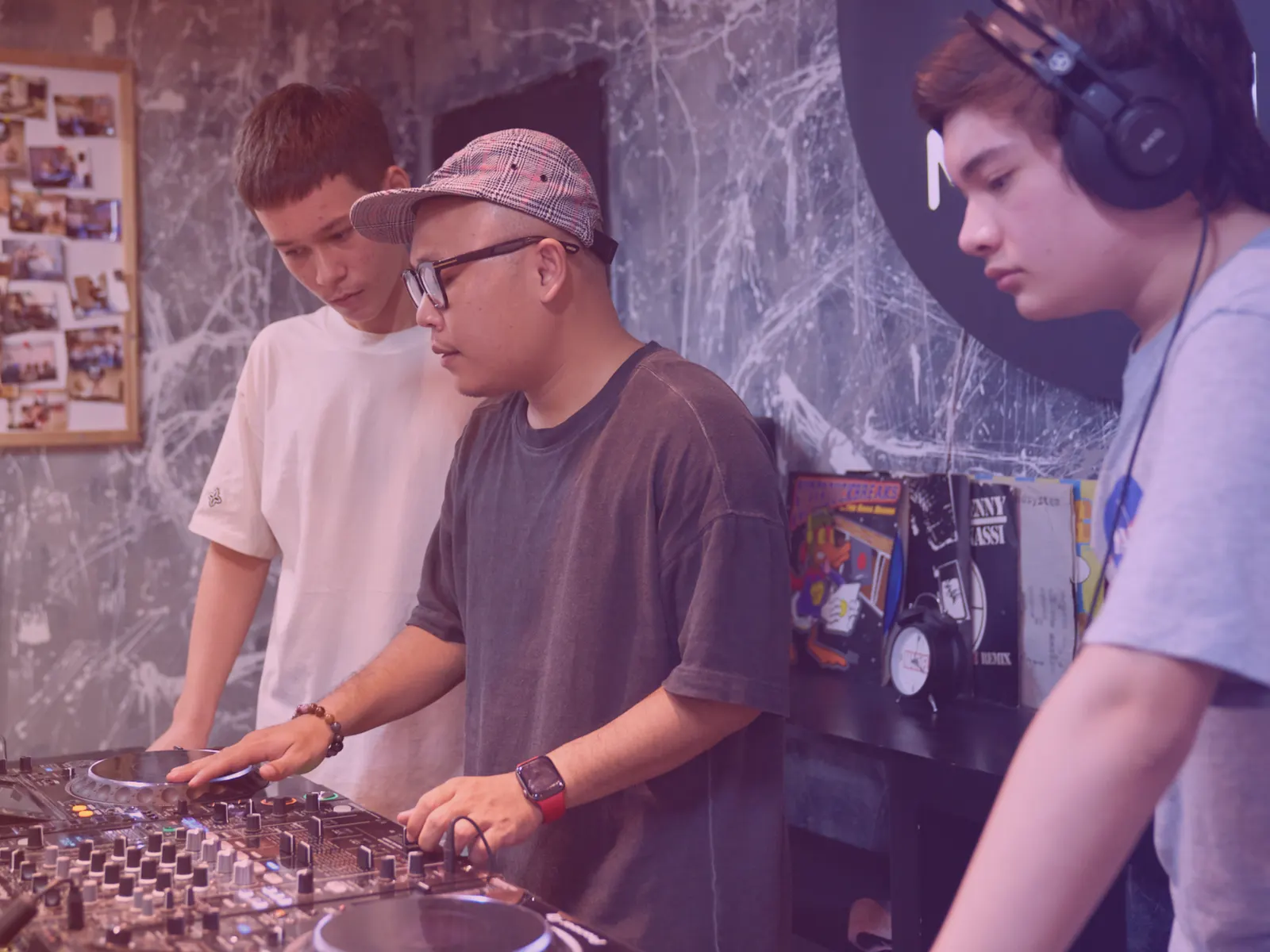
Learning music takes both creativity and logic: you have to understand, analyse and arrange musical elements such as rhythm, melody and song structure. By composing, students learn how to combine these elements into a complete piece.
- Rauscher, Shaw and Ky's study of children's spatial performance: this well-known study showed that listening to music can boost spatial reasoning. Children often rely on spatial reasoning when they learn skills such as solving maths problems or drawing, and even when they solve problems in everyday life. Activities like learning music can stimulate the parts of the brain involved in creative and logical thinking, helping children develop these skills.
- Research by Forgeard and colleagues on music learning and creativity: studies have shown that learning music, especially playing and composing, can stimulate creativity in children. It can help them develop creative thinking as they learn to grasp and express their own ideas through music.
2. It builds confidence and independence
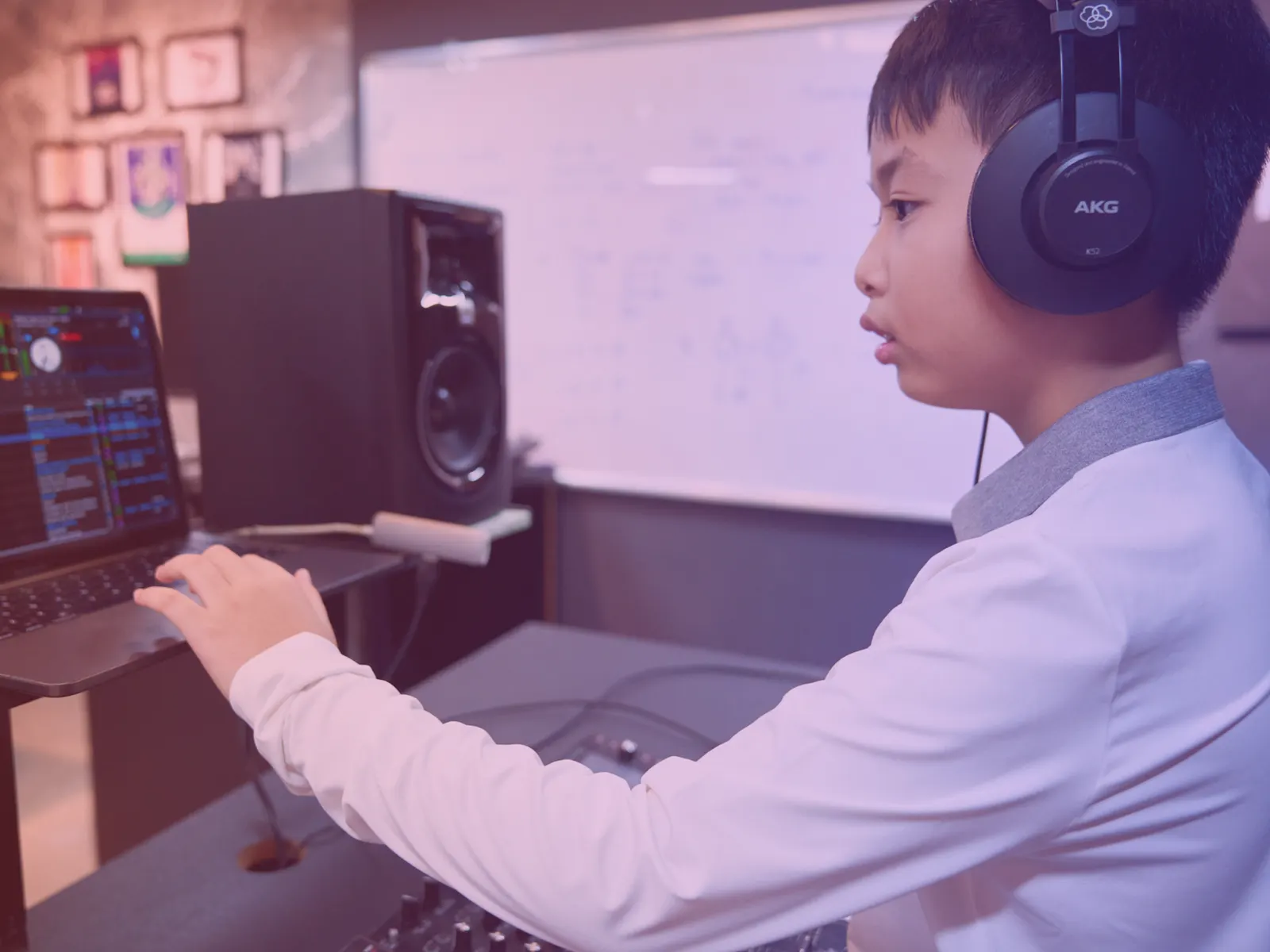
Learning music takes the confidence to perform in front of an audience and the independence to manage your own time and practice. When children get the chance to perform and share their work, they can develop their communication skills and grow more confident.
- H. Freeman's research on taking part in musical activities and its positive effects: studies have shown that taking part in musical activities, especially performing in front of an audience, can strengthen children's confidence and independence. Learning and performing help children develop social skills, communication and emotional control, all of which contribute to building confidence and independence.
- Research by Rickard and colleagues on music learning and independent thinking: this research showed that learning music can have a positive effect on children's independence. The process of learning music, especially when children get a say in decisions about what they learn and perform, can strengthen their independence and sense of responsibility.
3. It lowers the risk of mental health problems
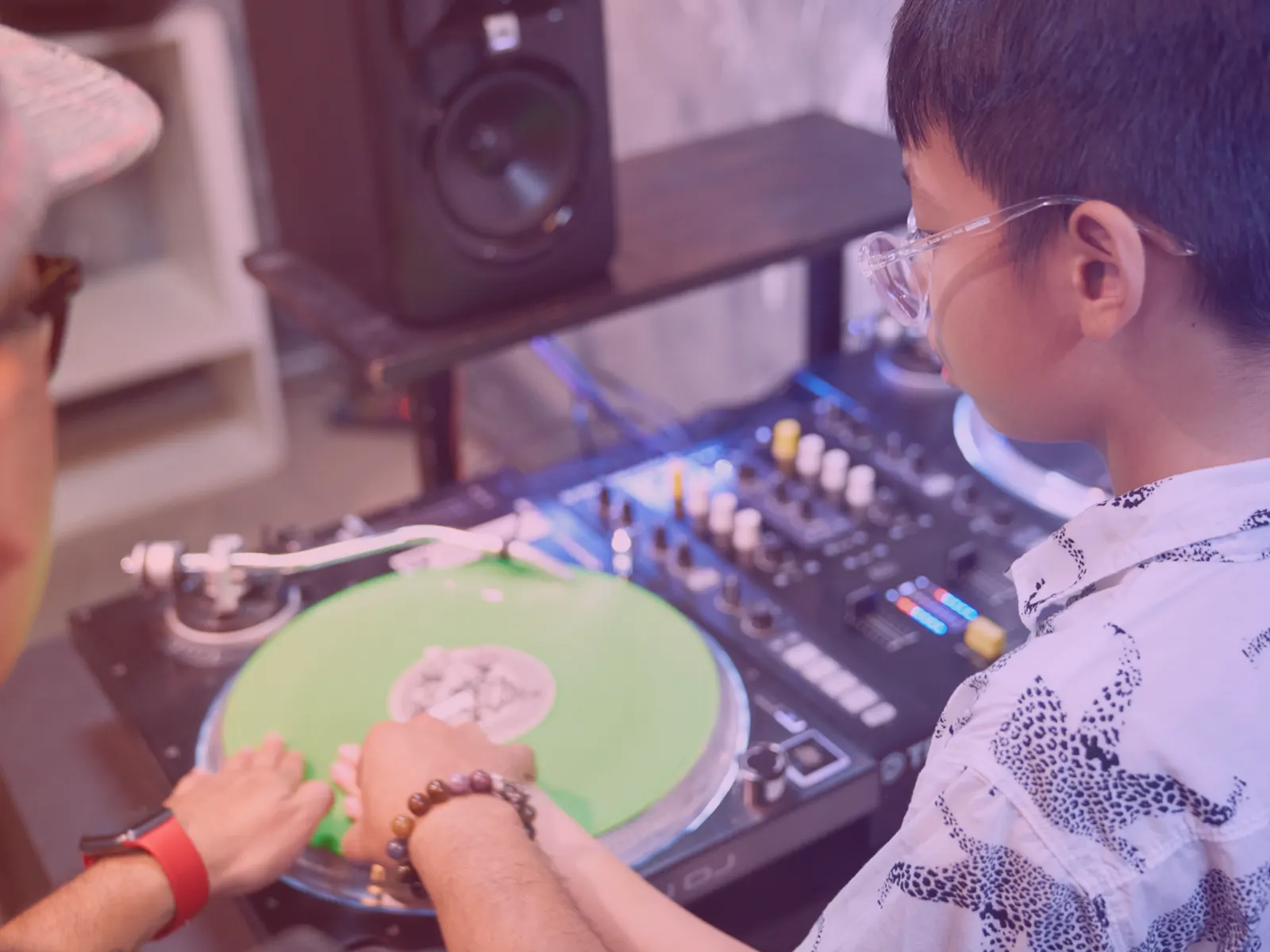
Music can be a way to relax and relieve stress, helping to reduce the risk of psychological problems such as stress, anxiety and depression. It can stimulate the release of “happy hormones” like endorphins, which lift the mood and ease stress.
- Scott Christensen's research on music and stress relief: this research shows that taking part in musical activities can help reduce stress and anxiety in children. Learning music usually involves focus, relaxation and enjoyment, all of which can help lower the risk of mental health problems.
- Hans Joachim Trappe's research on music and the treatment of mental illness: these studies showed that music can be an effective tool in treating mental illness in children. Learning and practising music can help improve mood, reduce stress and offer a creative way to express emotions.
- Some studies, such as Hans Joachim Trappe's (2010), have shown that learning an instrument and taking part in musical activities can help reduce symptoms of anxiety and depression in adults.
The DJ Kid course at Muse Inc
Beyond these three main benefits, learning music has countless other advantages. That's why parents should take an interest and invest in letting their child learn a musical discipline they enjoy, so they can follow their passion and develop in a well-rounded way.
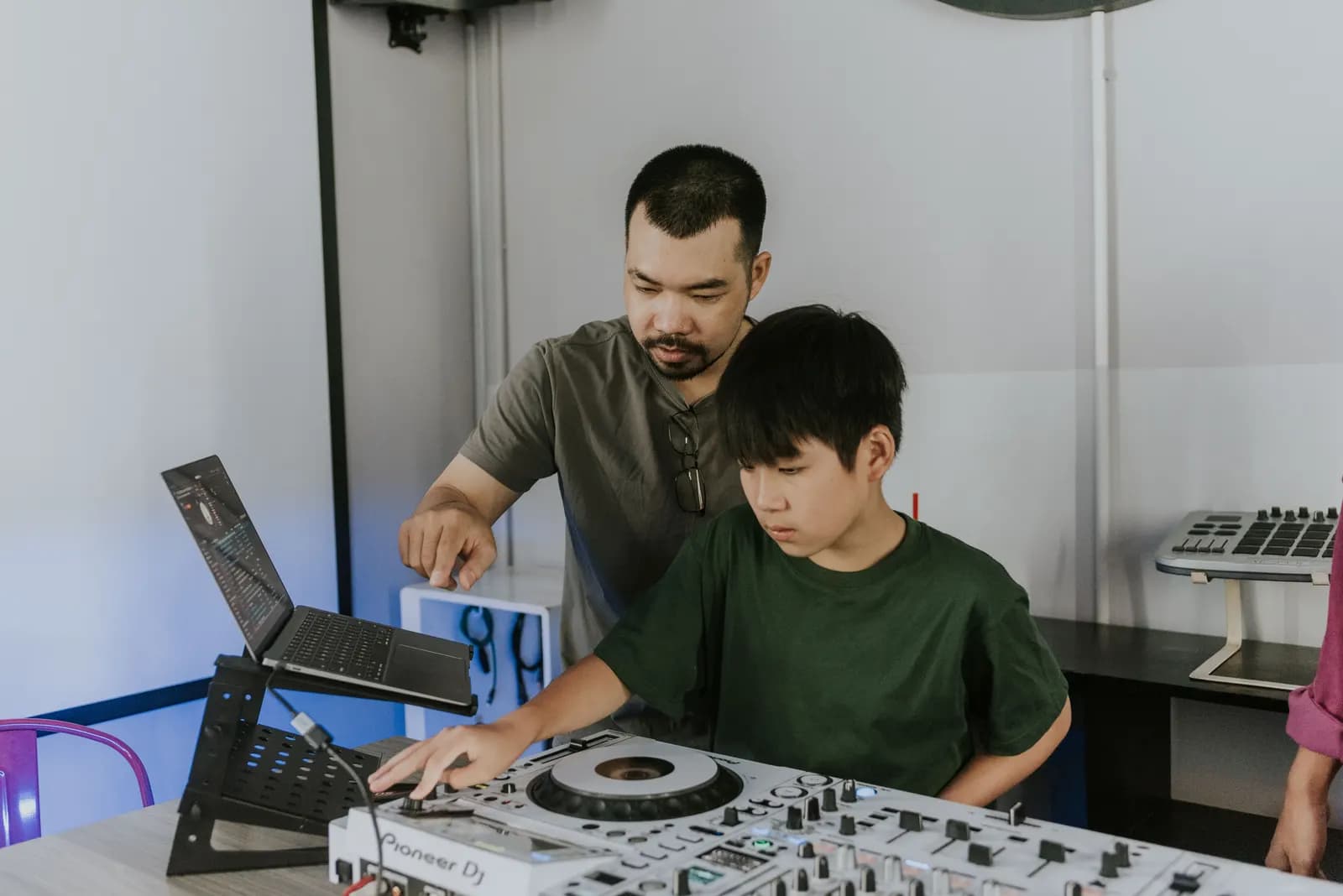
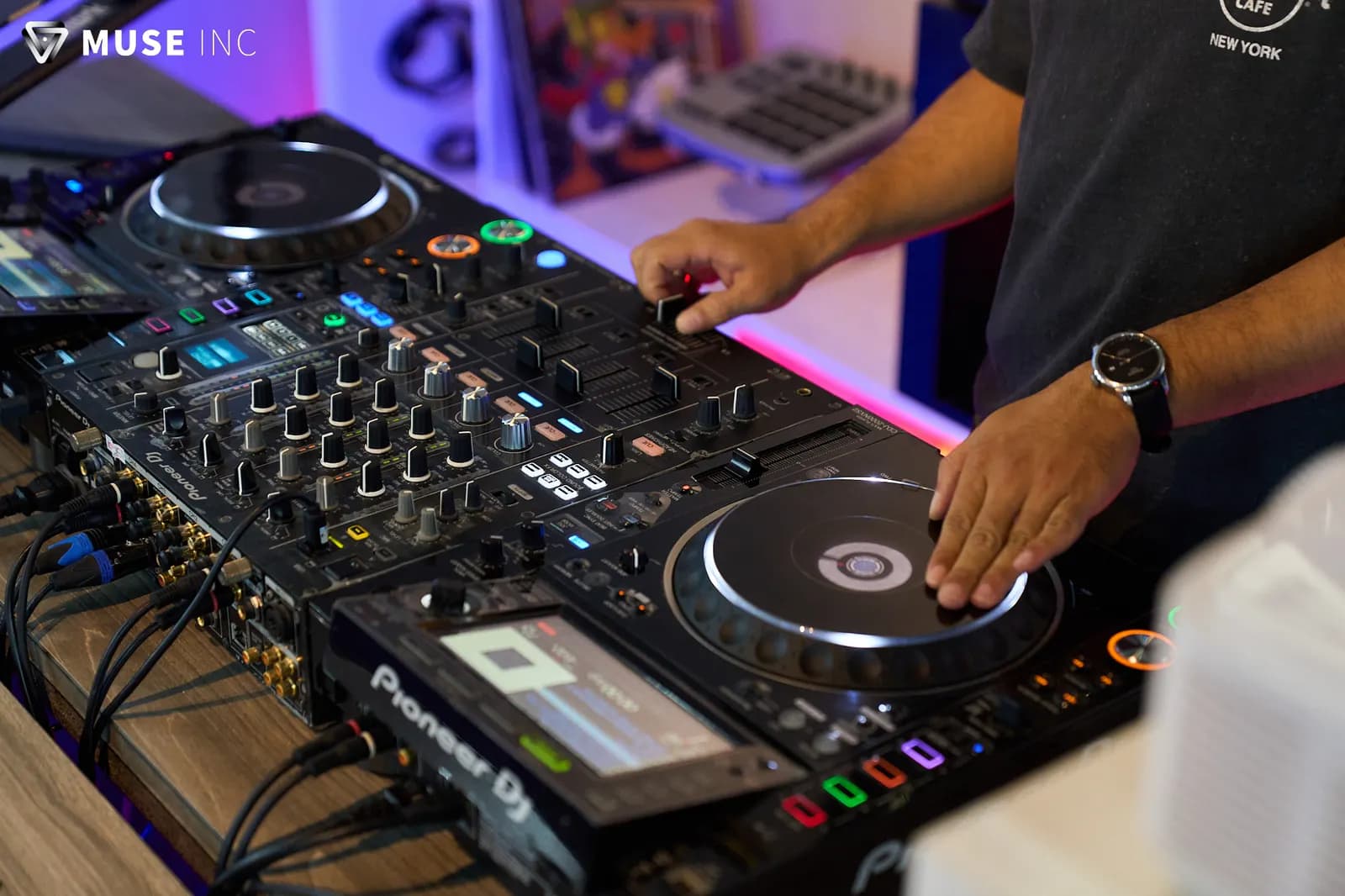
DJing is one musical discipline that helps children develop a wide range of skills, from creating and playing music to performing in front of an audience. Muse Inc currently runs DJ Kid classes with a curriculum designed especially for children. On the DJ Kid course at Muse Inc, kids can:
– Learn in a modern environment with well-known, experienced and friendly instructors, without any pressure;
– Get to know DJing and understand the different types of DJ;
– Learn how to download music and organise a music library;
– Use DJ software confidently (Serato DJ Pro and rekordbox);
– Mix basic transitions between tracks;
– Beatmatch confidently;
– Use and understand different types of DJ equipment;
– Use effects (FX);
– Understand the basics of music structure.
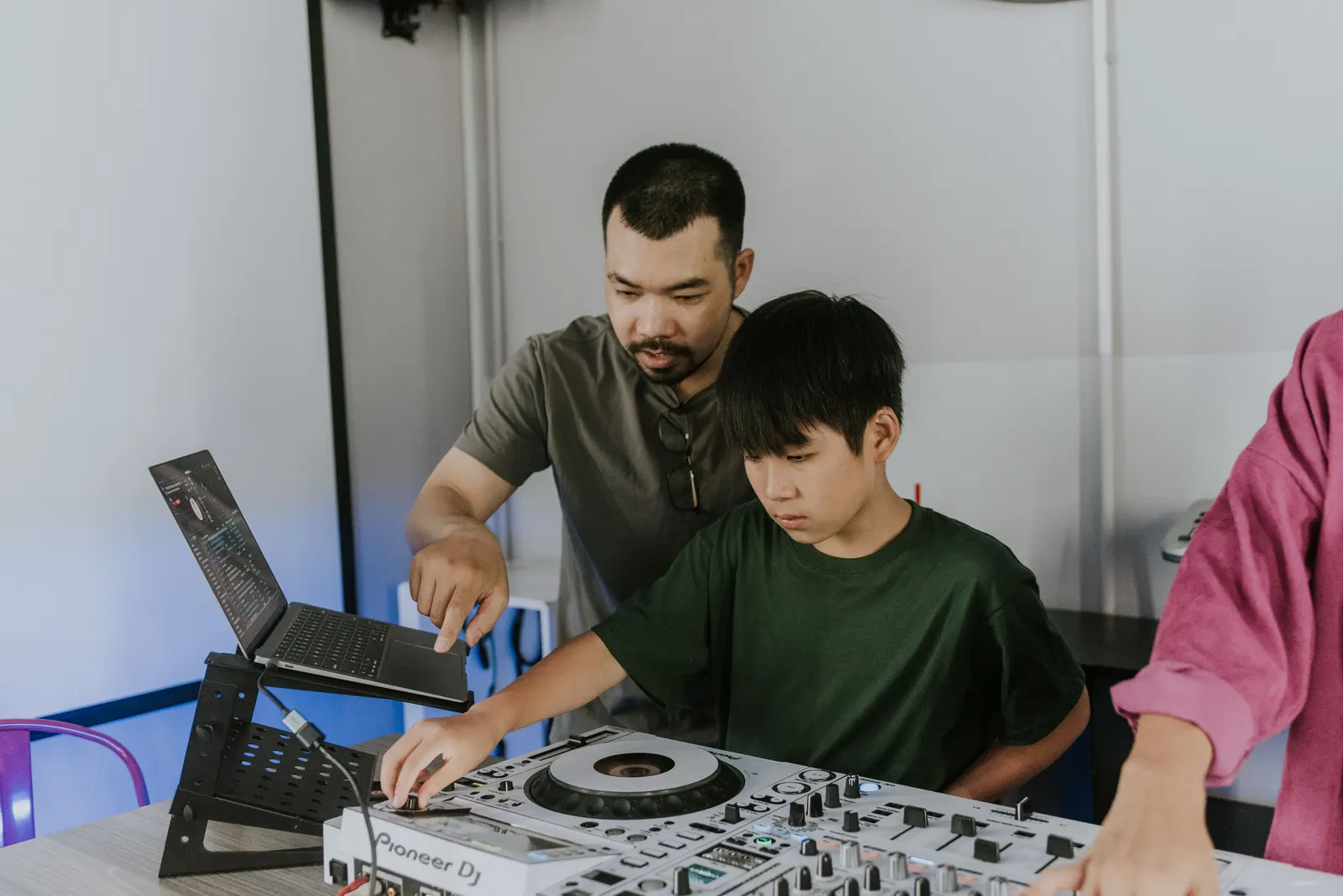
Parents, why not let your child try out this fun subject?
If you have any questions, don't hesitate to contact Muse Inc – we'll be happy to give you detailed, personal advice. Muse Inc hopes to be with your child on their journey to develop their talent and passion.
Does your child love music? Muse Inc's kids DJ classes for ages 6–14 let them try real DJ gear, feel the beat and play a first set of their own.