Professional DJ School in HCMC: Study at Muse INC
Are you looking for an in-depth DJ school in Ho Chi Minh City to build a solid technical foundation or develop your signature style? Choose a program based on your current background, performance goals, and practice availability. At Muse Inc, you can explore foundational (Basic), Intermediate, Advanced, Comprehensive, and genre-specific tracks before making your decision.
What Should Intensive DJ Training Achieve?
Advanced DJ training should help you understand why a mix works and empower you to self-correct flaws independently. Knowing how to operate equipment is just the starting point. Track selection (phrasing/curation), sound control, and leading an entire set—a multi-track performance—are what truly demonstrate purposeful technical skill.
You can assess your progress with specific questions:
- Is beatmatching consistent between the two tracks?
- Are vocals overlapping awkwardly?
- Does the energy transition match the overall performance arc?
- When a transition isn't smooth, can you pinpoint the cause to practice it again?
Before selecting a school, define a concrete, testable goal. For example: “I want to build a set with a clear intro, build-up, and outro.” A goal like this ensures discussions with instructors focus on practical skills rather than vague questions about how long it takes to become a DJ.
Choosing a Path at Muse Inc Based on Your Current Skill Level
Start with the Basics or a Comprehensive Track
If you have never mixed before, start by familiarizing yourself with DJ gear, listening to rhythm/tempo, and understanding track structure. In Muse Inc’s course catalog, Level 1 — Basic DJ begins on a controller, focusing on beatmatching (aligning the tempos of two tracks), EQing (frequency adjustment), and building your first short set.
You can also consider the Comprehensive DJ Course, which combines Levels 1 through 3 into a single continuous journey. This option suits those looking for seamless progression. Be sure to discuss class schedules, practice availability, and personal goals beforehand to ensure the program fits your needs.
Progressing to Intermediate and Advanced DJ
If you can already mix but your transitions lack consistency, review the Intermediate curriculum carefully. This module covers performance on CDJs and turntables, transition techniques, EQ control, and maintaining flow/energy.
Advanced DJ — Level 3 builds on Intermediate skills, introducing scratching (turntablism), beat juggling, and vinyl mixing. The curriculum also covers DJ handovers, troubleshooting equipment on stage, reading the crowd, stage presence, and career direction. Self-taught DJs are encouraged to assess their skill level during a trial session before deciding where to start.
Choosing Techno, Urban, or EDM Focus
Muse Inc offers specialized programs in Techno, Urban, and EDM. If you already have a clear musical taste, bring the tracks you listen to or play most often. Instructors can gauge your goals much better when listening to your specific music selections.
Selecting a genre-based track still requires evaluating your base skill set. Ask where the program begins, which gear is used, and what practical assignments are used to measure progress. The genre name indicates the musical direction; the core syllabus reveals what you will actually learn and practice.
Evaluating Class Quality Through Hands-on Experience
During a campus tour or preview, observe how instructors demonstrate a technique and guide you through repeating it. You need clear feedback on what you did right, where mistakes occurred, and what exercise to work on next.
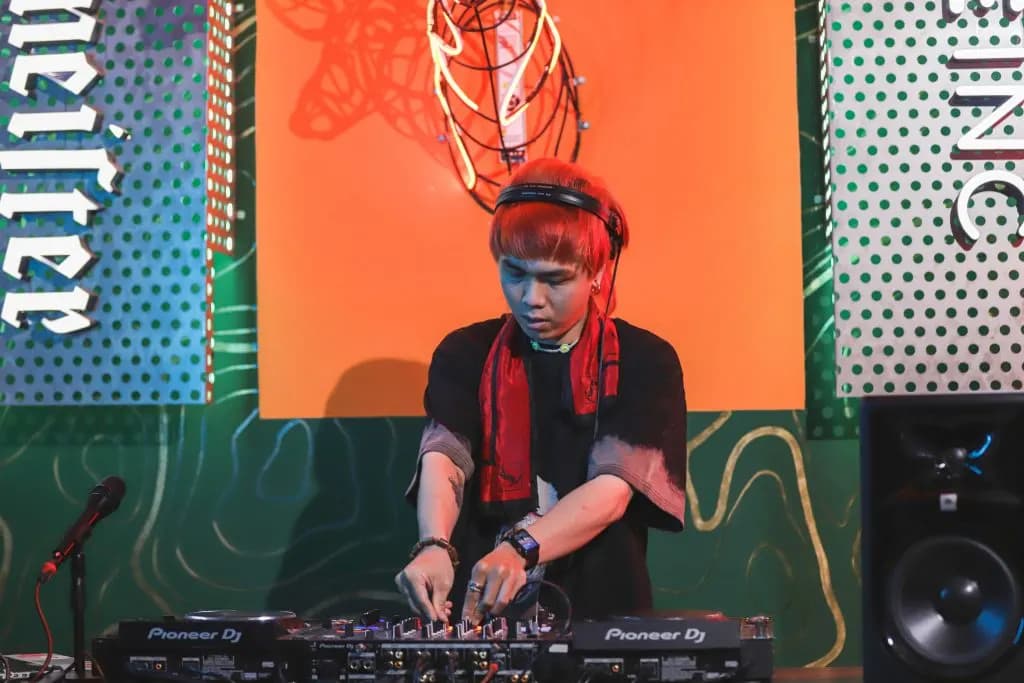
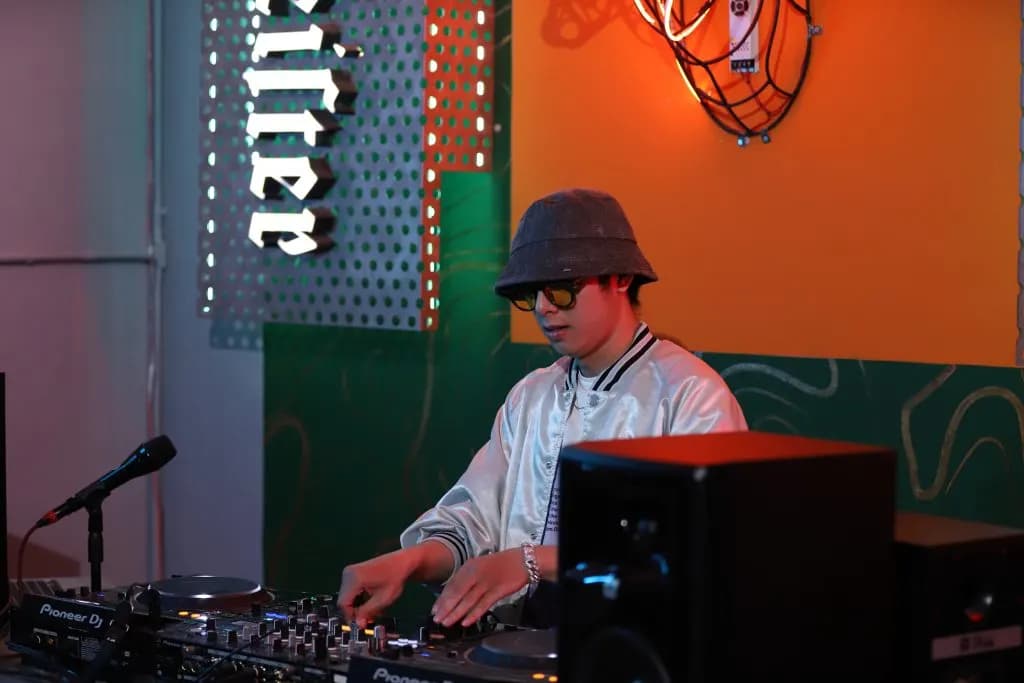
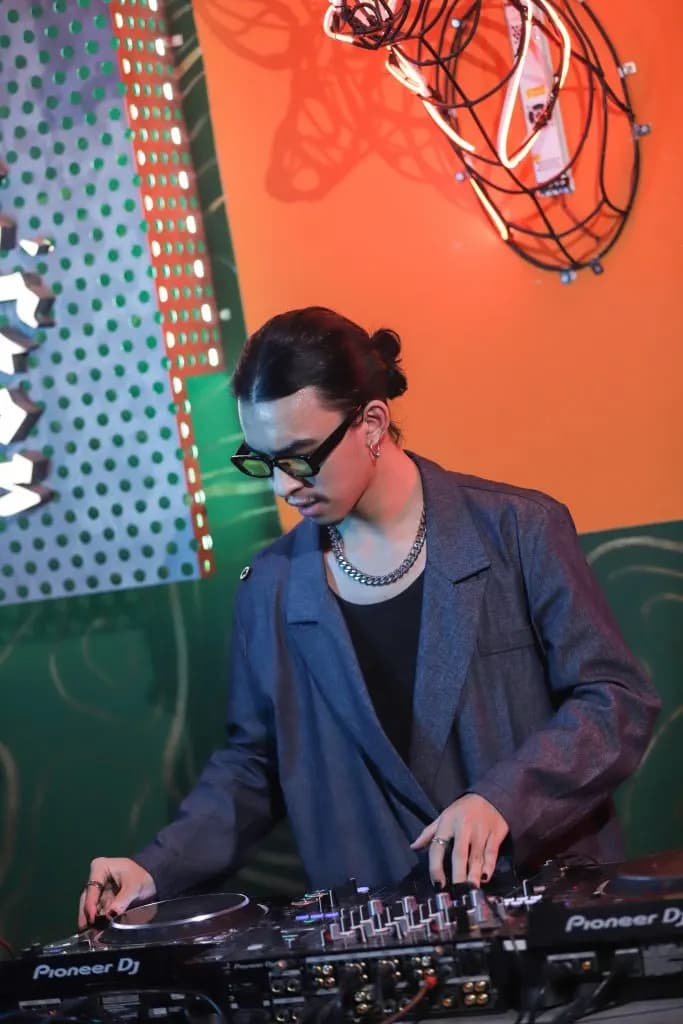
Equipment must also match the curriculum content. Muse Inc's Advanced DJ page lists turntables and industry-standard CDJ setups—including the Pioneer CDJ-3000 with DJM-A9. However, the Basic course starts on a DJ controller. Always confirm the exact hardware used for your intended course, studio practice hours, and room booking policies.
If you are deciding on a learning format, keep the following checklist in mind:
Learning FormatKey Considerations Before Choosing1-on-1 (Private)Personalized troubleshooting and flexible schedulingGroup ClassClass size, fixed schedules, and actual deck time per studentOnlineHome setup/gear requirements and feedback mechanisms
Formats vary by course. Enquiring about 1-on-1 DJ Lessons at Muse Inc is a great way to gather info before comparing options.
How to Practice to Maximize Every Session
Focus each practice session on one specific problem. If you are refining beatmatching, choose familiar tracks so you can concentrate purely on critical listening. If you are fixing transitions, keep the same pair of tracks and experiment with different entry points (cue points). Changing too many variables at once makes it difficult to identify what actually improved the mix.
Here is a self-practice framework you can try:
- Select one target objective based on your instructor’s feedback.
- Record a short mix segment with a clear start point.
- Listen back and timestamp exact moments where errors occur.
- Practice that specific transition in isolation, then re-record to compare.
When reviewing your recorded set, pay attention to both individual transitions and overall set flow. Two tracks might be perfectly beatmatched but still feel jarring due to clashing vocals or conflicting energy levels. Writing specific notes like "second track came in too early" is far more useful than general statements like "this part didn't sound good."
Save your recordings by date to track your progression on specific techniques over time. Bring challenging recordings to your next class to ask for expert guidance. If you are a complete beginner, following an 8-step DJ guide provides a solid reference framework.
What to Prepare Before Enrolling
- Assess your actual time commitment: Ensure you can attend both scheduled classes and dedicate time for studio practice between sessions. An overly ambitious schedule combined with shifting work commitments can disrupt consistent progress. State your available time slots clearly during enrollment consultations.
- Inquire about total costs and scope: Confirm tuition fees by learning format, included studio practice hours, booking procedures, make-up class policies, and payment terms. Cross-check published course details before signing up, and ask what specific practical skills are assessed in the final exam.
- Prepare a music playlist and key goals: Bring a playlist of your favorite tracks and outline your objectives. Are you playing for personal enjoyment, building technical mastery, or preparing for live gigging? Having clear answers helps tailor course selection. Bring recorded mixes if available.
Frequently Asked Questions (FAQ)
Can complete beginners take intensive DJ courses?
Yes, you can start a structured learning path completely from scratch. The key is choosing the right starting point. At Muse Inc, Basic DJ is designed for your very first mixes, while Advanced follows Intermediate. Share your current experience during a trial session to get personalized placement advice.
Do I need to buy DJ gear before enrolling?
No. You can learn in-studio using the academy’s professional equipment. For online classes, confirm the hardware requirements before enrolling. It is best to experience learning first before deciding to purchase equipment, as gear selection depends on your goals, home space, and budget.
Can I perform live right after finishing the course?
Landing gigs depends on your skill level, preparation, and specific venue/event requirements. Use your recorded sets and mock performances to evaluate your readiness. Stage performance, emergency troubleshooting, and career orientation covered in the Advanced course are key topics to discuss thoroughly with your instructor.
Start with a Trial Lesson at Muse Inc
Choosing the right professional DJ school in HCMC begins with real hands-on experience and clear goals. Book a free trial lesson at Muse Inc, bring your favorite music and questions, and map out your DJing path with an instructor today.