4 Mistakes New DJs Make and How to Overcome Them

These days, many young people starting out as DJs run into the same 4 mistakes – and there are tips that can help you get past these pitfalls as you begin your career. Muse Inc rounds up the 4 things most people in the industry need to fix.
Playing the wrong music / at the wrong time
Every venue has lots of guests who come to the party with their own tastes (person A loves house, person B loves techno, and so on), so playing the wrong music at the wrong time is a big miss!
This common mistake is sure to turn a memorable event into a night to forget for most of the crowd at each venue where you play.
If the client asks for a particular genre, prepare a folder of tracks just for that gig so you can play what the crowd wants. On top of that, watch the audience's taste throughout your set time.
Equipment failure – every DJ’s worst nightmare
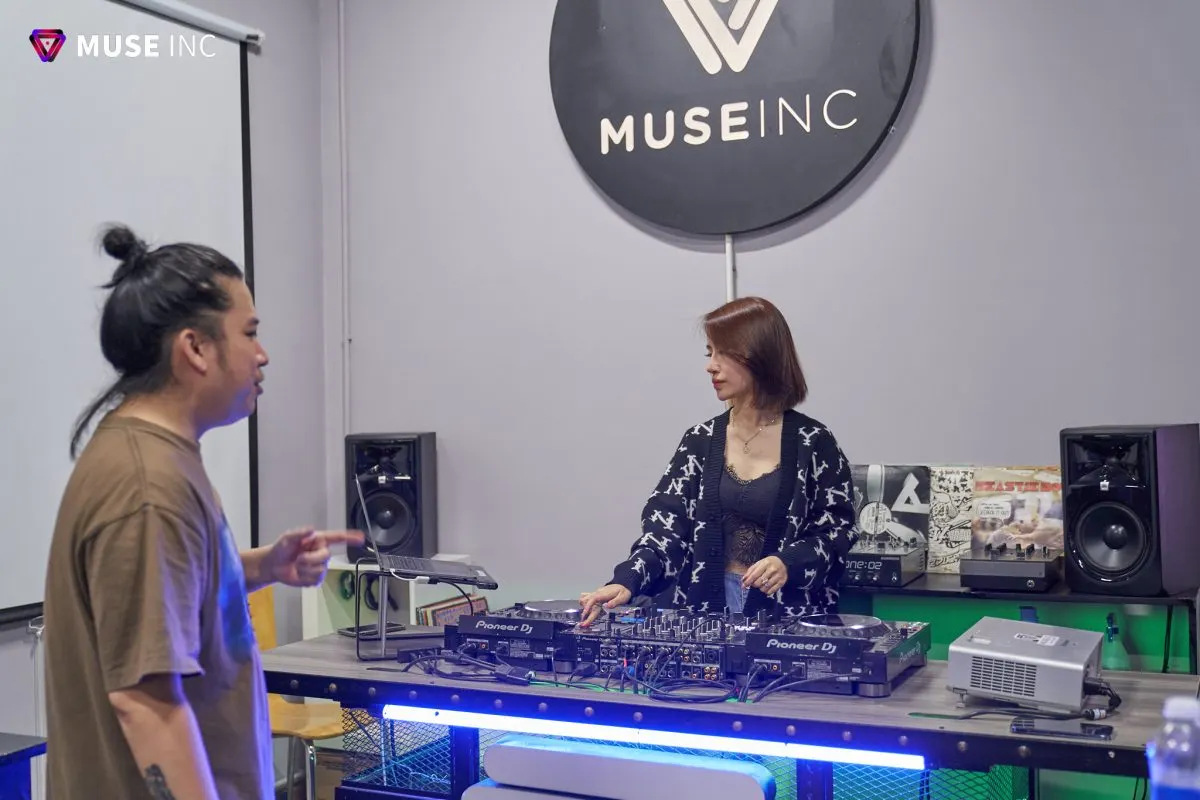
This really is a huge nightmare for anyone in the DJ industry: before or during an event you hit that rare disaster – an equipment failure, whether it's your laptop or your DJ controller, before, during or after a gig.
So check your gear thoroughly before you perform. For example, in case your laptop breaks down, bring a backup laptop, or copy all your data onto a hard drive.
Being afraid of making mistakes on stage
Remember: DJs are human too, and nobody's perfect! Mistakes plenty of DJs make include: constantly moving the crossfader while playing and mixing, pushing up the wrong channel when bringing in the next track, or not checking the tempo carefully when moving from one track to the next (a beatmatching error).
These small slip-ups will actually help you if you make a conscious effort to fix them. If you use Serato DJ, turn on “load lock” when changing tracks, so the deck stays locked while a track is playing on your controller.
Putting “money” first

Of course, at each venue you'll get a “fixed” fee from the organisers. Even so, both sides – the agency and the artist – need to agree clearly on payment to avoid causing each other trouble.
Prepare a contract between the two parties (with clear terms). If one side doesn't pay according to the contract, seek legal help.
And finally, build a “good” relationship with the person who pays you and the staff who check in on you at an event. If you have any questions, contact the organisers directly.
Source: DJ Tech Tools