What Does It Take to Become a DJ? Is It Hard to Learn, and What Do DJs Earn?

With the nightlife industry booming, many young music lovers want to become DJs. It's a chance to work at something you're passionate about, in a young, creative and dynamic environment. What is a DJ? What does it take to become one? Is learning to DJ hard? How much do DJs earn? These questions will help you understand the profession better, get the big picture and make the right choice. MUSE answers them in the article below.
Learning to DJ at MUSE
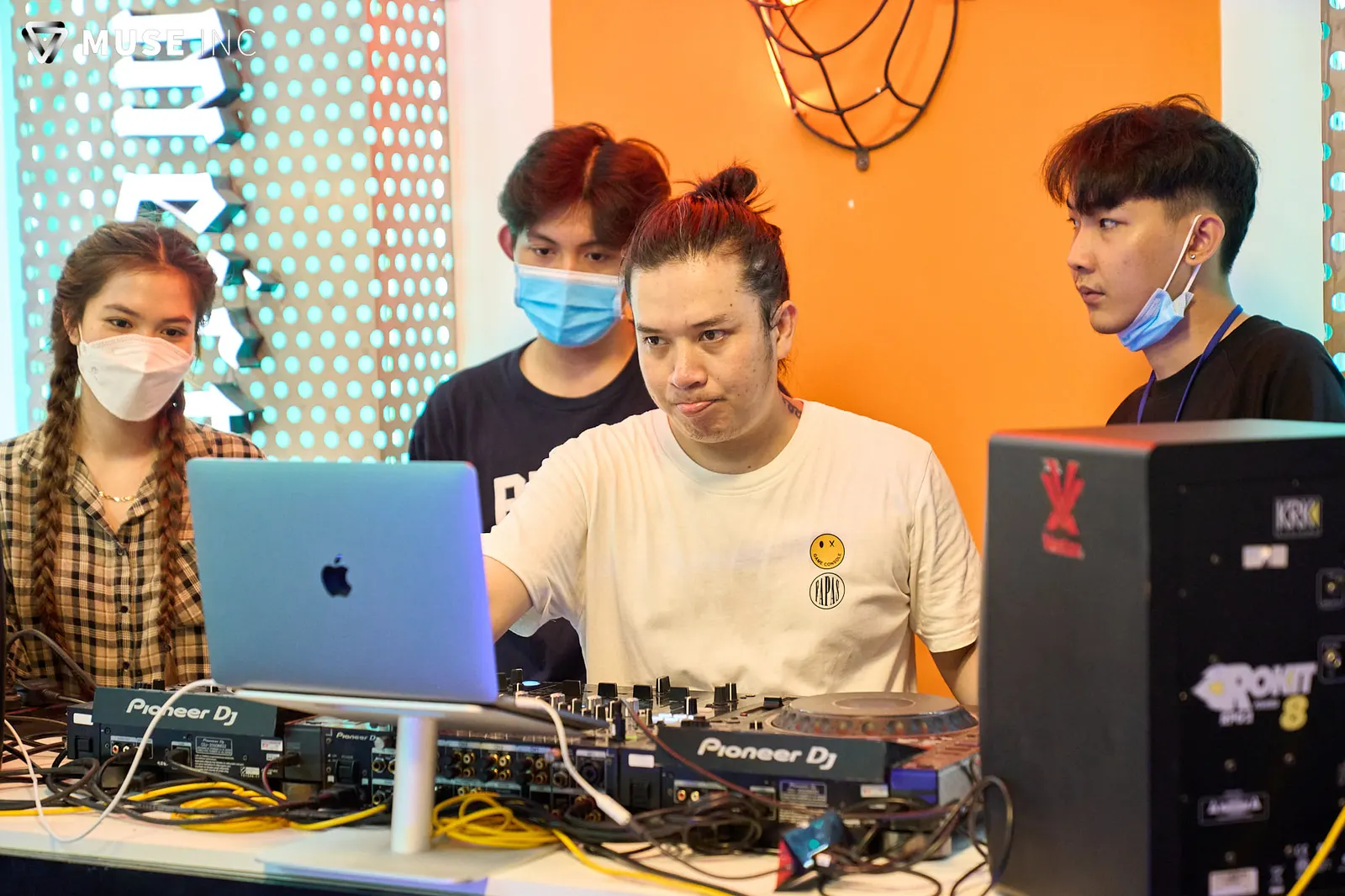
- What is a DJ? Where did DJs come from?
First of all, DJ is short for disc jockey – someone who makes music, and selects and plays tracks. What makes them special is that they shape the sound every time they perform, reworking the melody and style of the music to suit different audiences. That makes the DJ a key figure at parties and celebrations: a DJ can bring everyone in a room together with energetic music and get the crowd going at a party or in a bar or club. So it's no surprise that people who learn to DJ and work as DJs tend to be highly creative and love music.
What is a DJ?
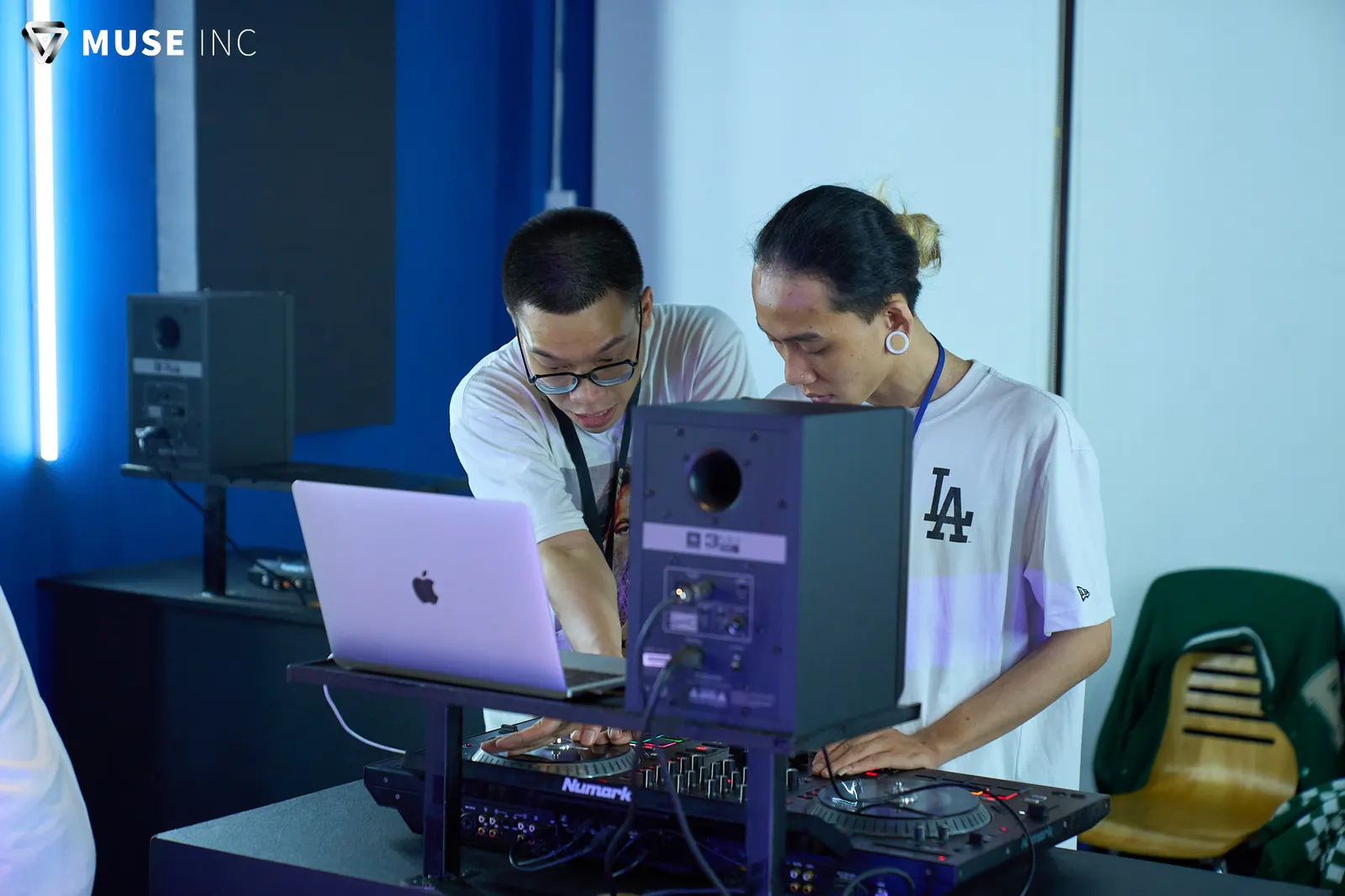
There are many kinds of DJs, but to keep it simple they're usually divided into two common types:
Remixers: DJs who specialise in remixing tracks around a theme and, most importantly, to suit the crowd at the party. Each track can be remixed in many different ways.
Mixers: DJs who don't need to rework the music like remixers do – they simply select and combine tracks that have already been produced.
As for its origins, DJing first appeared in Jamaica in the 1950s, but it only really took off in the 1960s when it arrived in the United States, and gradually more people began learning to DJ. Back then, what a DJ actually did was hotly debated in music circles. Some said the role had existed for a long time: DJs were the people who played music on dance floors, in charge of playing and adjusting the music from the club's sound equipment. Others said a DJ was someone who played and adjusted tracks on the radio, broadcasting recorded music directly to listeners.
- What does it take to become a DJ?
2.1 Passion
To become a DJ, the first thing you need is a passion for music, a natural feel for it and the ability to appreciate it. On top of that come music theory and sound-handling skills.
2.2 A DJ course
But don't worry too much if you're not strong in these areas yet. The next thing you need is a DJ course, to learn DJing from the basics right up to a professional level and to put your natural strengths to work. Sign up for a DJ course at MUSE, and our teachers will help you grow.
A DJ class at MUSE
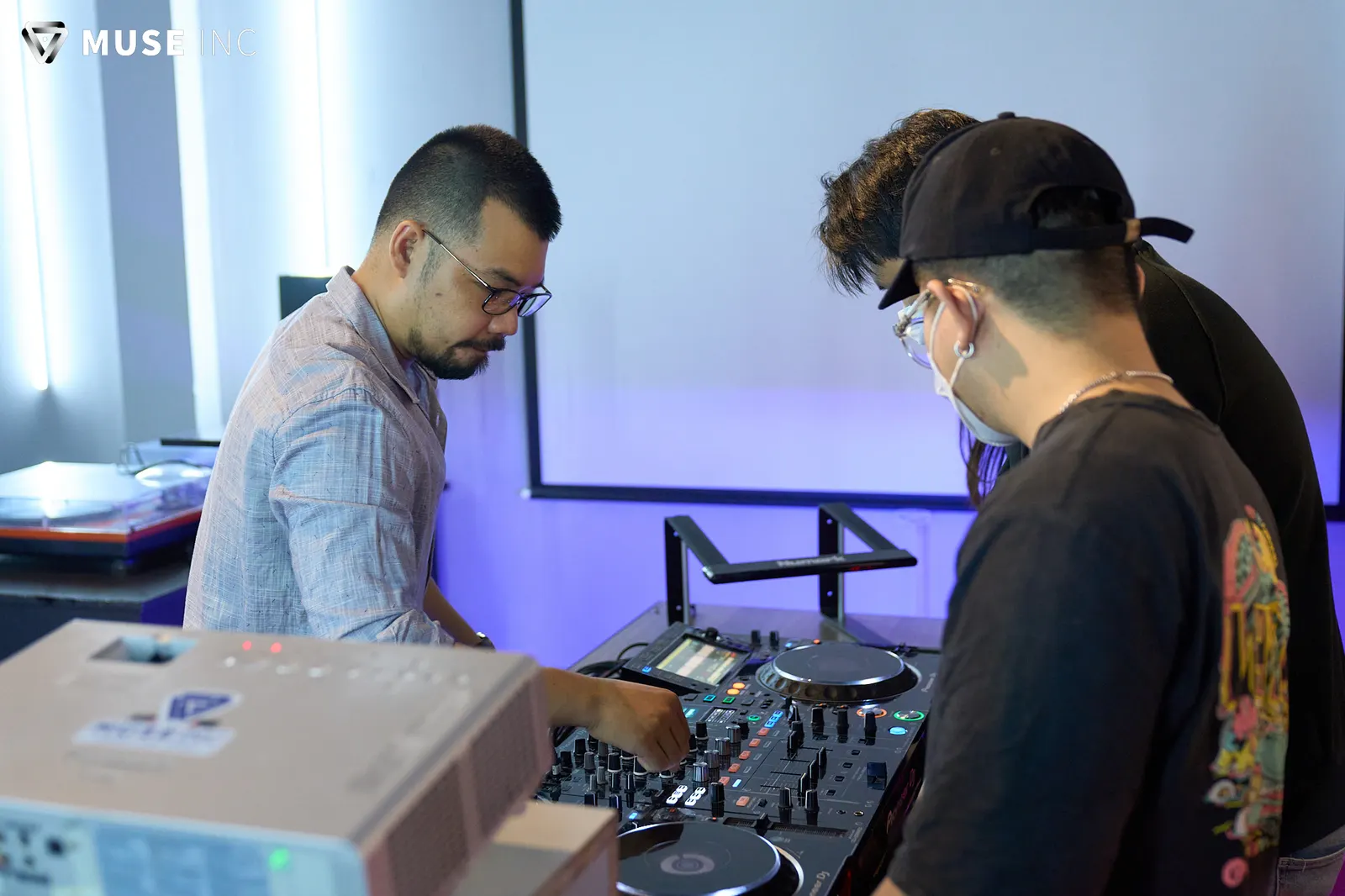
MUSE offers a wide range of DJ courses, from beginner to professional and for children as well as adults. Everyone gets a chance to learn to DJ, to let their creativity run free with music and to spark a passion for DJing. At MUSE you'll study in a young, energetic environment, learning, practising and joining activities alongside friends who share your interests.
Our teachers at MUSE are passionate about what they do and, more than that, eager to pass on their knowledge and experience to students. They're all established names with years of experience performing at events and well-known bars and clubs. There's no doubt you'll pick up plenty of DJ lessons from MUSE's instructors.
A MUSE teacher shares 10 years of experience as a DJ.
MUSE's DJ learning space is fully equipped with international-standard gear, which raises the quality of every lesson. The equipment isn't just for class time – students are welcome to use it for their own practice too.
2.3 Musical taste
Most importantly, a DJ has to know how to listen to and feel music. Having a creative taste for combining tracks is also a real advantage.
2.4 Keeping up with trends
Always keep up with the trends. Playing the tracks that are popular right now will help you become a professional DJ.
2.5 The ability to spread the energy
DJs are the ones who get the crowd going and create a lively atmosphere at events. So you need to be able to pass your emotions on to your listeners, touch their feelings and build the excitement that makes an event a success.
Spreading the energy

- Is learning to DJ hard?
When they're just starting out, young people often lack confidence and worry about their abilities, so they tend to ask questions like: is learning to DJ hard? At MUSE, we believe it won't be hard if you have enough passion and perseverance. Here are the basic, effective steps for beginners:
- First, you need the popular software that many professional DJs use. Getting familiar with it and learning how to use it is essential for any DJ.
- Next, learn the two basic techniques: beatmatching and phrasing. They give you the ability to break a track down into its parts and to listen for and feel the layers of sound, which is what lets you mix a track.
- Once you have the knowledge and technique, the next step is real-world experience. You need plenty of experience and practice to become a professional DJ.
Is learning to DJ hard?
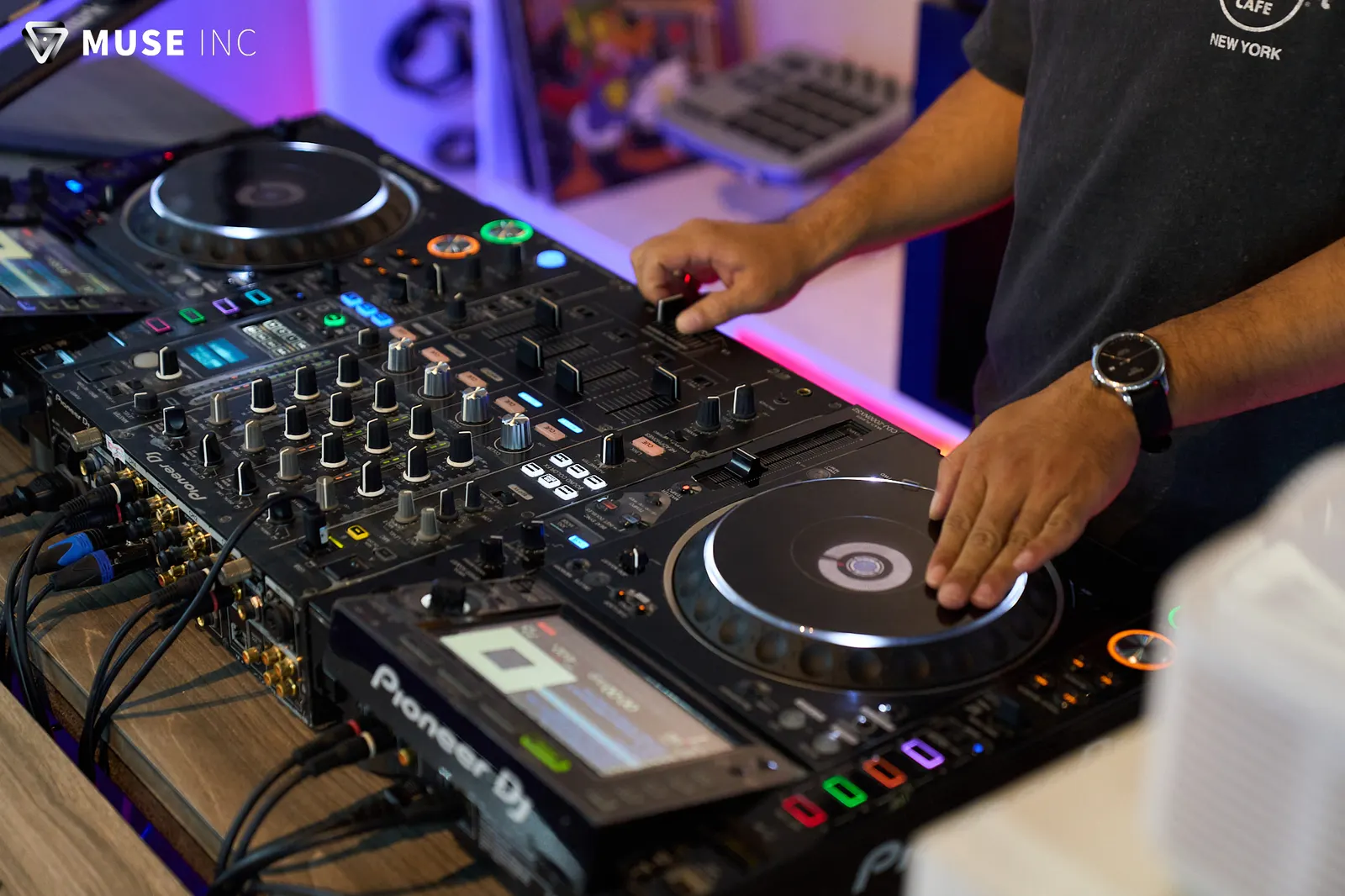
- How much do DJs earn?
DJing is an artistic profession, and DJs are artists too: they perform and bring music to their audience. That's why DJing counts among the well-paid professions, with very attractive fees for each performance.
Income varies with how well known a DJ is. On average, a show pays 5–10 million VND, while more famous DJs can earn tens or even hundreds of millions of VND.
Find out more about MUSE INC and our DJ courses

